
Someone Hit My Parked Car and Left: What to Do, Step by Step
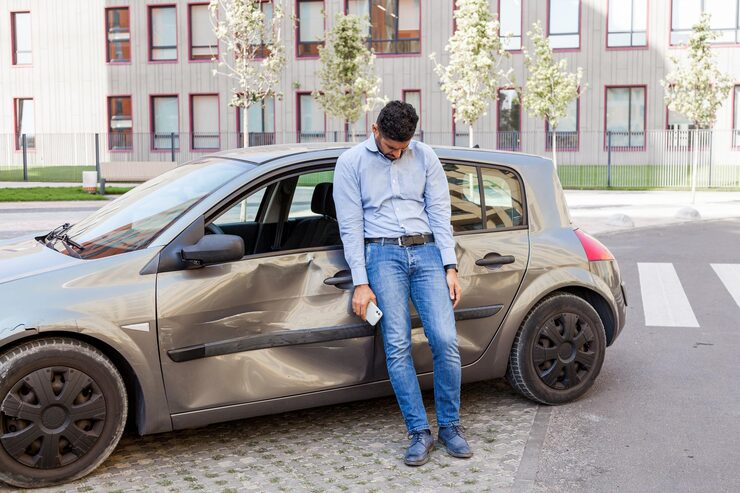
I’m Jordan Hereth, and at Hereth Insurance Consulting I’ve taken plenty of calls that start the exact same way: “Someone hit my parked car and left, and I have no clue what to do.” You walk back out and there it is. There’s a fresh dent in the bumper, a scraped door, maybe a broken mirror dangling by a wire, and no driver or note anywhere. It’s frustrating, and the first question that pops into your head is almost always who pays for this.
Here’s the short version I give every client. Treat it like any other accident. Don’t move your car, and if you can track down the person responsible, exchange information. Then call the police so the local authorities can investigate and file a report, which becomes your official accident report. After that, let your insurer know so the claims process can get rolling.
Documenting the damage right away makes your claim a whole lot stronger. Depending on your auto policy, your collision coverage or uninsured motorist coverage may pay for repairs, or the at-fault driver’s insurance may pick up the tab if they’re found. Move fast, and you’ll usually spend less out of pocket. If you just searched “someone hit my parked car and left,” you’re in the right spot. Below, I’ll walk you through the scene, your insurance coverage, and what to do if you’re ever the one who hit a parked car.
Stay at the Scene, Stay Calm, and Inspect the Damage
When a client tells me someone hit my parked car and left, my first advice is simple: don’t leave the scene, and don’t move your car yet. Stay put. It shows you’re acting responsibly, and it gives you time to grab evidence before debris gets swept away or the spot gets cleaned up.
Next, stay calm. Rushing is how people miss things. Take a slow walk around the car and inspect the damage up close. A small dent or a few scratches can hide deeper issues, like bent body panels, knocked-out alignment, or damaged parking sensors. I’ve watched a “harmless” bumper scuff turn into a pricey sensor replacement once the shop pulled the cover off. You want the full picture before you call anyone.
One more thing: don’t chase the other driver. It’s tempting, but it’s risky, and it’s not your job. Let law enforcement handle that part while you focus on what you can control.
If the Other Driver Is Still at the Scene
Sometimes you get lucky and the other driver is still at the scene, maybe digging around for a pen. If so, exchange information: names, phone numbers, insurance details, and plate numbers. Take photos of the damage and document the accident, then call the police to file a report anyway.
After that, contact your insurer and file a claim if you need to. Here’s a tip I give everyone: never accept a cash payment on the spot. That quick handshake deal can keep you from being fully reimbursed for your losses, especially if hidden damage shows up at the body shop later.
Document the Scene and Take Photos
When a client calls me saying someone hit my parked car and left, the first thing I ask is whether they took pictures. When I review an insurance claim, the photos taken in the first ten minutes usually carry more weight than anything else. They’re your proof of property damage.
Grab wide shots of the whole car and close-ups of all the dents and scratches from several angles. Then widen out to the surrounding area: nearby vehicles, traffic signs, landmarks, and any signage that pins down the location. Check the ground too. Debris, tire marks, broken parts, paint transfer, and even license plate fragments can point straight to the vehicle responsible.
Use timestamped photos if you can, since most phones add the date and time automatically. Jot down the time of day and the weather conditions as well. You don’t need to be a professional photographer. You just need pictures that clearly document what happened and where the incident took place.
Look for Witnesses and Security Cameras
In a lot of the someone hit my parked car and left claims I’ve helped with, one good witness made the difference. Ask pedestrians, store employees, residents, or security staff whether they saw or heard anything. If someone did, get their name and contact details, and write down what they tell you while it’s fresh. Witness statements carry real weight with an adjuster.
Even if nobody saw the impact, someone may have heard a loud bang or noticed a suspicious car peeling out in a certain direction. That still counts.
Next, scan for security cameras. Check nearby homes and businesses for doorbell cameras and CCTV, and look up at the parking lot poles. Note where each camera sits and who the camera owner is. Footage could catch the license plate or the direction the driver took. Act quickly, though. Most dash cams and security systems use loop recording, meaning older footage gets overwritten once the storage card fills up — sometimes within a day, sometimes within a few days depending on the system, so ask the owner to save the clip before it’s gone.
Check for a Note (and What to Do If the Driver Left One)
Before you decide the driver fled, check your windshield, the driver’s side window, and the dashboard area for a note. A proper note should list a name, phone number, license plate, and insurance company details.
If you find one, take a photo of the note and keep the original somewhere safe. Reach out to the driver for their insurance information, and share everything with the police and your own insurer. In most cases, your carrier will work with the other driver’s insurer to settle the claim.
Still, don’t treat a note like a done deal. I’ve seen fake notes with made-up numbers, and I’ve seen honest ones missing key details. File a police report anyway, keep an eye out for witnesses, and follow up until everything is verified. That paper trail protects you if the other driver changes their story down the road.
Call the Police and File an Official Report
Legally, most “someone hit my parked car and left” situations count as a hit-and-run, and that’s a crime. So yes, the police want to hear about it, even for minor damage. Officers may also be able to help identify who did it.
A police report gives you an official record, a neutral third-party record showing the damage wasn’t there before and that you found it at a specific time and location. Some states require a report for insurance purposes, and without one, your insurer may delay the process or even deny the claim.
If you’re still at the scene, call the non-emergency line and ask for an officer. In some areas, you may need to file online or swing by the local station instead. Have your photos, the location, the time you discovered the damage, and any witness information ready. Tell them it involved a parked car. Then ask for a copy of the report or a case number, plus the officer’s name and badge number. Reports also help police spot patterns in areas where these hits keep happening.
Notify Your Insurance Company and File a Claim
Once the report is filed, contact your insurance company and file a claim while the details are still fresh. Most policies require you to report a claim promptly — check your policy’s notice requirements, since waiting too long can jeopardize your coverage, so don’t let it sit over the weekend. Keep your police report number, photos, witness details, and notes ready.
These days, most carriers have apps and online portals where you can upload photos, track status, and sometimes get photo-based repair estimates. If things get complicated, like clarifying coverage or scheduling repairs, a claims representative can take over. Driving a company vehicle? Your employer’s business insurer usually handles it, and our guide to commercial insurance costs explains how those policies work.
One honest note from my side of the desk: insurers are businesses, and they like to keep payouts low. That’s no reason to skip filing, but it is a reason to ask about your collision, uninsured motorist, and deductible rules before you dive into the claims process.
Will Insurance Pay If Someone Hits Your Parked Car and Leaves?
This is the question I hear most after someone hit my parked car and left: will insurance actually pay? It depends on your policy. Collision coverage is usually your primary protection. It helps repair or replace your car regardless of who is at fault, even if the driver is never found. You pay your deductible, and your carrier covers the rest up to your policy limit. It isn’t required by law, but if you lease or finance, your lender almost certainly requires it. If your car is financed, it’s also worth checking whether you have gap insurance.
Uninsured motorist property damage (UMPD) coverage can help when the other driver is uninsured or flees the scene, since some states treat a hit-and-run driver as uninsured. It’s usually optional, it’s not available in every state, and some states won’t let you use it for hit-and-runs at all. If you’re weighing uninsured motorist limits, our breakdown of stacked vs. unstacked insurance is worth a read.
If you only carry liability-only coverage, things get tougher. Liability pays for damage you cause to others, not your own car, so without the responsible driver, repairs usually come out of pocket. If the at-fault driver is identified, their insurer typically covers the repair costs. With a low repair cost, filing might not even make sense, so talk it over with your agent first.
Hit-and-Run Accidents: What the Law Says
Driving off after hitting a parked car isn’t just rude. It’s illegal. Drivers are expected to leave their contact information and insurance information or make a reasonable effort to find the owner. When they don’t, it becomes a hit-and-run, and your insurer may treat the fleeing driver as uninsured.
Penalties vary by state and usually depend on whether there were injuries, vehicle damage, or both. Many states only call it a felony when there’s a serious injury, while others go that route for significant damage alone. In California, for example, Vehicle Code 20002 makes leaving unattended property without sharing your info a misdemeanor.
Tracking the driver down can take days or longer. Surveillance footage, witness tips, and small clues are often what crack these cases open.
What If You're the One Who Hit a Parked Car?
Flip the script for a second. If you tap someone’s car in a tight lot, don’t leave the scene. Leaving is a crime and can get you charged with a hit-and-run, even if the damage looks like nothing. Wait a bit to see if the owner comes back so you can exchange information.
If nobody shows up, leave a note with your full name, contact information, insurance company, and a short explanation of what happened. Report it to the police, then notify your insurer before the other owner files. Handling it this way protects your driver’s license, registration, and driving record, and it shows the authorities you acted responsibly. If fault gets murky, our guide to a partially at-fault car accident covers how shared blame works.
When to Talk to a Car Accident Lawyer
Most someone hit my parked car and left claims don’t need an attorney. But if things get complicated, say the insurance company starts to dispute the extent of the damage or the other driver tries to deny responsibility, a car accident lawyer can be worth the call. Juggling repairs and back-and-forth with insurers on your own gets stressful fast.
A local accident lawyer can explain your legal rights and tell you whether legal action even makes sense. As an agent, I’ll help you understand your coverage, but professionals who handle these disputes every day know how insurers think and which details tend to get overlooked.
Write Down Everything You Remember
Right after you find the damage, write down everything you can remember. Note the time of day, exact location, weather, and any noises or smells, like squealing tires or burnt rubber. If you saw the other car, note its make, model, color, direction of travel, and even a partial plate.
Memory fades fast. Small details, like a loud bang, can back up witness statements. Solid notes can turn a shaky report into one that supports your insurance claim or a legal claim, especially when there’s no video and no witness.
Can You Sue Someone Who Hit Your Parked Car?
If you can identify the driver, you’ve got legal options. You may be able to sue for property damage, rental car costs, or your deductible. It comes up a lot when a driver leaves the scene or hands over false information.
A license plate number, contact details, or insurance information makes this much easier. In many cases, those same details support an insurance claim so well that a lawsuit isn’t necessary at all.
Common Mistakes to Avoid
Across the someone hit my parked car and left calls I’ve handled, the same mistakes keep popping up: leaving the scene before the documentation is done, skipping the call to the police, not checking for cameras or witnesses, trusting a fake note without reporting it, and waiting too long to file a claim.
Each one can delay your case or give your insurer a reason to push back. Treat it seriously from day one.
Why Handling It Properly Matters
A dent here or a scratch there feels minor, and fixing it and forgetting about it is tempting. That can backfire. A light tap in a crowded parking lot can cause damage you can’t see, and repairs get expensive in a hurry.
If the claim isn’t handled correctly from the start, you could end up paying costs that should’ve landed on the responsible driver. Unrecovered costs like that are one reason people feel insurance is too expensive. It adds up over time.
Practical Ways to Protect Your Car Going Forward
You can’t control other drivers, but you can control your parking. Pick well-lit spots with visible cameras over isolated corners. It won’t guarantee anything, but it lowers the risk. Skip tight spaces too, because even careful drivers clip mirrors when cars are packed in.
Some drivers add a dash camera that can record activity around the car, which makes an insurance claim much easier to prove. Review your policy once a year to make sure your coverage still fits your situation. A small tweak now can save you from a much bigger bill later.
Nobody wants to be the one saying “someone hit my parked car and left.” If it does happen, don’t ignore it or rush it. Document everything, report it, call your insurer, and understand your options. Each step protects your position.
Frequently Asked Questions
If someone hits my car in a parking lot, am I covered?
If you can prove who’s responsible, their insurance should pay. If you can’t, or the driver is uninsured, your collision or UMPD coverage may kick in, though some states won’t allow UMPD for hit-and-run claims. Without either, repairs come out of pocket.
My car was hit while parked on the street. Am I covered?
Street parking works the same way, including sideswipes. If you know the at-fault driver, their insurer pays. If not, your own collision or UMPD coverage should apply.
Will my rates go up after my parked car is hit?
A claim against the at-fault driver usually won’t affect your rates. A single not-at-fault claim on your own policy is also less likely to move the needle, though it varies by state and insurer, and carriers still look at your driving history and how often you file claims.
If someone hit my parked car and left, does insurance cover it?
Often, yes, if you carry collision or UMPD. Your deductible and policy limits still apply.
Is leaving after hitting a parked car a crime?
Yes. Leaving without sharing your contact information and insurance information is treated as a hit-and-run. Penalties depend on the state and on whether there were injuries or significant vehicle damage.