
How to Get Home Insurance to Pay for Air Conditioner
I still remember the call I got from a client last July whose AC unit quit on the hottest day of the year, right in the middle of a heat advisory. Her first question wasn’t “how do I fix this,” it was “will my insurance even touch this.” That’s the question I get more than almost any other at Hereth Insurance Consulting, and it’s exactly why I wanted to put together a straight answer instead of the vague runaround most people get from a call center.
If you’re trying to figure out how to get home insurance to pay for air conditioner repairs or a full replacement, the short answer is that it’s possible, but only under specific conditions, and knowing those conditions ahead of time is what separates an approved claim from a denied one. Most homeowners assume their policy only protects the walls, the roof, and whatever furniture sits inside. Fewer realize that appliances, including your HVAC system, can fall under that same umbrella too.
The catch is that your insurance company isn’t going to pay for a unit that simply wore out from age. It’s going to pay when something sudden and unexpected caused the damage. I’ve handled enough of these claims over the years to know exactly where people go wrong, so let’s break this down step by step, starting with what your policy actually protects you against.
What Actually Gets Covered: Fire, Storms, Theft, and More
Fire damage is probably the most straightforward example. If a house fire torches your outdoor condenser, your insurance is almost certainly going to cover that. Same goes for lightning strikes, which happen more often than people realize, especially here in Missouri where our summer storms can get intense fast. Hail damage, falling tree limbs during a windstorm, and even a power surge frying your unit’s electronics can all qualify, depending on the specifics of your policy.
Theft and vandalism are two more that surprise people. Copper theft from outdoor condensers has become a real problem in a lot of neighborhoods, and yes, if someone rips the unit right off your property, that’s typically a covered loss. Sudden water damage counts too, so long as it’s genuinely sudden, like a burst pipe flooding a utility closet where your indoor unit sits, rather than a slow leak that built up over months. If you’re already looking into ways to trim your premiums while keeping solid coverage, our guide on reducing your property insurance costs walks through some smart moves that apply here too.
Where Insurance Draws the Line
This is the part nobody wants to hear, but I’d rather tell you straight than have you find out the hard way mid-claim. Wear and tear is the number one reason AC claims get denied. If your unit is fifteen years old and the compressor finally gives out from age, that’s a maintenance issue, not an insurance issue. Same goes for mechanical breakdown caused by lack of upkeep, improper installation, or plain neglect.
Flood damage is another big exclusion. Standard homeowners policies almost never cover flooding, which usually requires its own separate flood policy entirely. Mold growth tied to a long-term leak you ignored also won’t get covered, since insurers treat that as a maintenance failure rather than a sudden accident. The good news is you can protect yourself against these denials pretty easily by keeping clean service records, which I’ll get into further down. If your home’s overall coverage feels like it’s leaving gaps in places like this, it might be worth running the numbers through our property insurance estimator to see where you actually stand.
Read Your Policy Before Anything Breaks Down
I tell every client the same thing. Don’t wait until your AC dies to find out what your policy says. Pull it out now, sit down for twenty minutes, and actually read through the coverage section, the exclusions, and your deductible amount. Most people have no idea what their policy limits are for appliance damage until they’re already mid-crisis, and that’s the worst possible time to be learning this stuff.
If your policy doesn’t already include AC protection, ask your insurer about adding an endorsement or rider specifically for it. It’ll bump your premium slightly, but for a unit that costs thousands to replace, that small increase is usually worth the peace of mind. And while you’re at it, start a simple folder, physical or digital, with your AC’s purchase receipt, the make and model, and any maintenance invoices. You’ll thank yourself later.
Document Everything Like You're Building a File
The moment you notice damage, grab your phone and start taking photos from every angle. Capture the unit itself, any visible damage around it, fallen debris, or anything else that supports your story. If theft or vandalism was involved, file a police report immediately, since most insurers won’t process a claim without one.
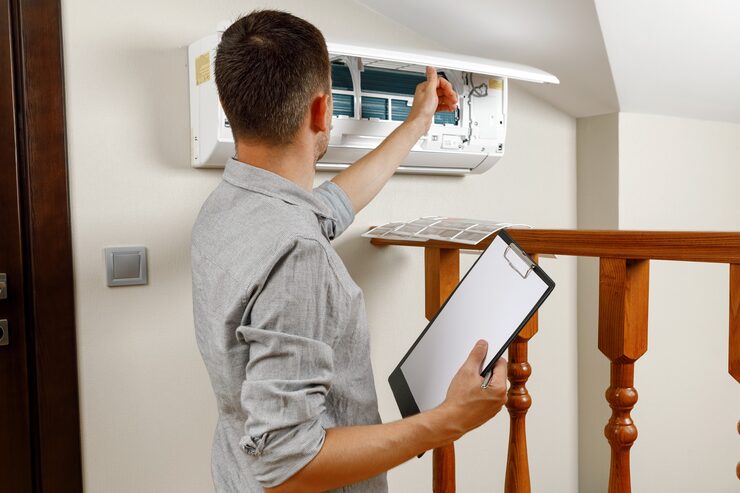
Bring in a licensed HVAC technician to inspect the unit and give you a written diagnosis explaining exactly what caused the failure. This report becomes one of the most important pieces of evidence in your whole claim, because it gives your adjuster something concrete to work with instead of guesswork. Keep every receipt, every estimate, and every bit of written communication in one place. I’ve seen claims get approved faster purely because the homeowner walked in organized instead of scrambling.

Calling Your Insurer and Starting the Claim
Once you’ve confirmed the damage looks like it fits a covered peril, call your insurance provider right away. Most companies run a 24-hour claims hotline these days, and plenty have mobile apps that let you upload photos directly from your phone. Have your policy number ready and be prepared to explain what happened and when.
Your insurer will likely schedule an inspection with a claims adjuster, so try to get that on the calendar quickly to avoid unnecessary delays. Keep a simple log every time you talk to someone. Write down the date, who you spoke to, and what was discussed. It sounds like overkill until the one time it saves you from a miscommunication three weeks into the process.
Working With the Adjuster
When the adjuster shows up, be present if you possibly can. They’re going to inspect the unit, ask questions, and try to pinpoint exactly what caused the damage. Answer honestly, but let your HVAC technician speak to the technical side of things since that’s genuinely their area of expertise, not yours.
Respond quickly if the adjuster comes back asking for more documents or has follow-up questions. Claims move at the speed of the slowest response, and a lot of unnecessary delays happen simply because someone let an email sit for two weeks. Staying on top of communication keeps your claim moving and usually gets you paid faster.
Getting Paid: Replacement Cost vs Actual Cash Value
Once your claim gets approved, pay close attention to which type of payout your policy offers. Replacement cost coverage pays what it actually costs to buy a comparable new unit at today’s prices, which is the better option in almost every case. Actual cash value coverage, on the other hand, only pays the depreciated value of your old unit, meaning a ten-year-old AC might only be worth a fraction of what a new one costs, leaving you to cover the difference out of pocket.
Some insurers release funds in two parts, paying half up front when repairs start and the rest once the job is finished. Ask your insurer directly how their payout process works so you’re not caught off guard. If you’re rebuilding your understanding of what your home is actually worth to replace top to bottom, our home replacement cost estimator is a solid tool to run through alongside this.
When It Makes Sense to Call a Public Adjuster
If your insurance company keeps stalling or lowballing your claim, a public adjuster can be a real game changer. These professionals work on your behalf, not the insurer’s, and they specialize in pushing back when a claim gets unfairly denied or undervalued. Most will offer a free consultation to review your situation before you commit to anything.
Before hiring one, read the contract closely and understand the fee structure, since most public adjusters take a percentage of the final settlement. Once you bring them on, hand over your policy details, your repair estimates, and any supporting documents. They’ll handle negotiations directly with your insurer, which takes a huge weight off your shoulders if you’ve already spent weeks fighting for a fair outcome.
If Insurance Won't Pay, Here's What Else You Can Do
Sometimes the damage just doesn’t qualify, and that’s a hard pill to swallow, but you’ve still got options. A home warranty is worth looking into, since it’s a service contract that specifically covers normal wear and mechanical breakdown, the exact stuff your home insurance won’t touch. You pay a premium plus a small service fee each time you use it, and most plans include a short waiting period after purchase before coverage kicks in.
A manufacturer’s warranty might also apply if the unit is relatively new and the failure traces back to a defective part. Beyond that, plenty of HVAC companies offer in-house financing plans that break the cost into manageable monthly payments, which can be a lifesaver if you’re staring down a replacement with no other coverage in place. If the bigger picture has you rethinking your overall insurance costs, our article on why insurance is too expensive breaks down a lot of the factors driving premiums up across the board right now.
Simple Habits That Keep Future Claims From Getting Denied
Most AC claims get denied because the insurer points to neglect, so let’s close that door before it opens. Schedule an annual HVAC tune-up with a licensed professional every year without fail. Clean or replace your filters monthly, keep airflow clear around the unit, and hang onto every service receipt like it’s gold.
Installing a simple surge protector is a cheap way to prevent electrical damage from ever becoming an issue in the first place. These small habits genuinely extend the life of your system, and they give you a much stronger hand if you ever do need to fight back against a denied claim, since solid maintenance records are your best defense against an insurer trying to blame neglect for something that wasn’t your fault.

Frequently Asked Questions
Does home insurance cover AC replacement?
Yes, but only when a covered peril like fire, hail, theft, or vandalism caused the damage. Age-related failure or mechanical breakdown from normal wear doesn’t qualify.
Will my insurance cover a broken AC compressor?
Only if an external, covered event caused it. A compressor that fails from age or lack of maintenance won’t be reimbursed under a standard policy.
Can I use a home warranty and homeowners insurance for the same AC issue?
No, you’ve got to pick one path. Mechanical breakdown from regular use usually falls under a home warranty, while sudden accidental damage falls under your homeowners insurance.
How do I find out if my AC unit is covered?
Check your policy’s declarations page under dwelling or personal property coverage, or just call your agent directly and ask what perils apply to your specific unit.
Should I call an HVAC technician before filing my claim?
Yes. A technician’s written diagnosis gives your insurer solid proof of what caused the failure, and it makes your whole claim package far more convincing.