Contractor Insurance Columbia MO solutions for general contractors, subcontractors, and specialty trades that need better coverage, faster certificates, and competitive pricing.
Select your trade to explore coverage options and get a fast, accurate quote from carriers that understand your work.
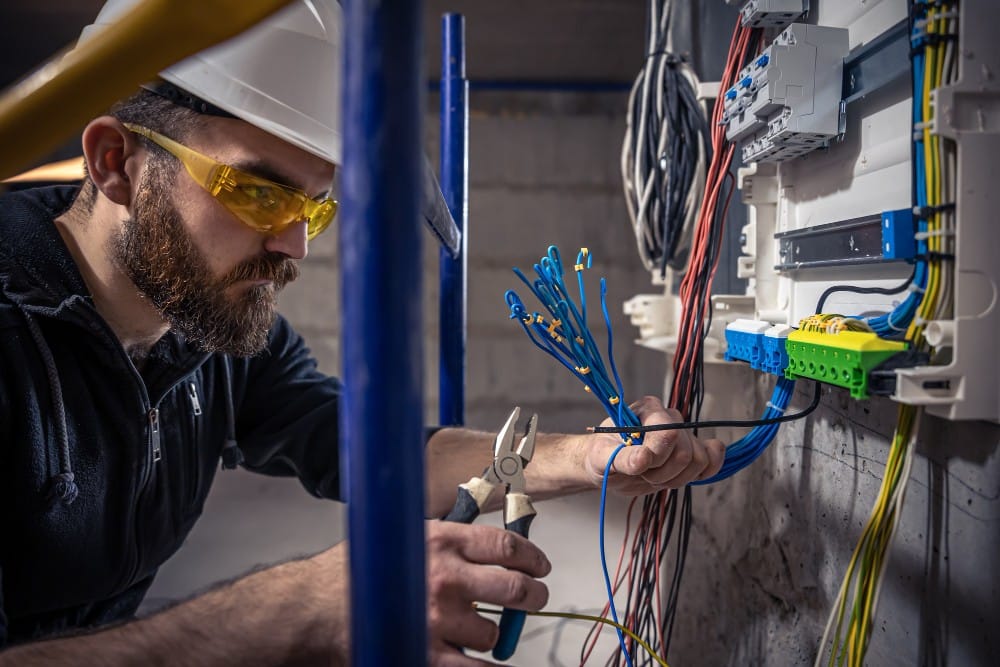
Electrical work carries high liability exposure, from wiring issues to code compliance. We help structure coverage that protects your work, your business, and your contracts.
From service calls to new installations, plumbing work comes with water damage and liability risks. We build coverage designed around your day-to-day operations and jobsite exposure.
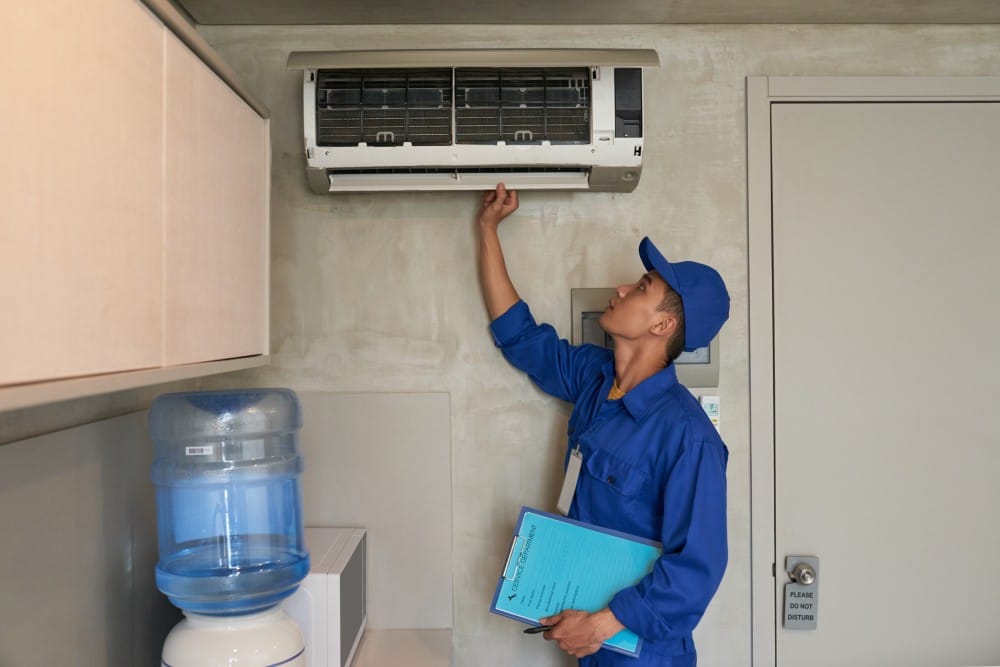
HVAC contractors face risks tied to installation, system performance, and service work. We help ensure your coverage protects both your work and your equipment.
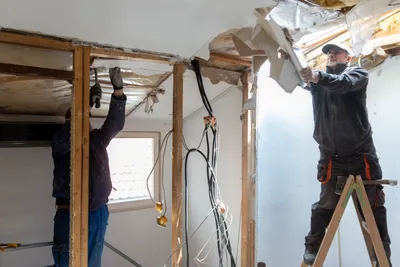
Working in occupied homes creates unique risks during renovation projects. We help structure coverage that protects your work, your clients, and your projects from start to finish.
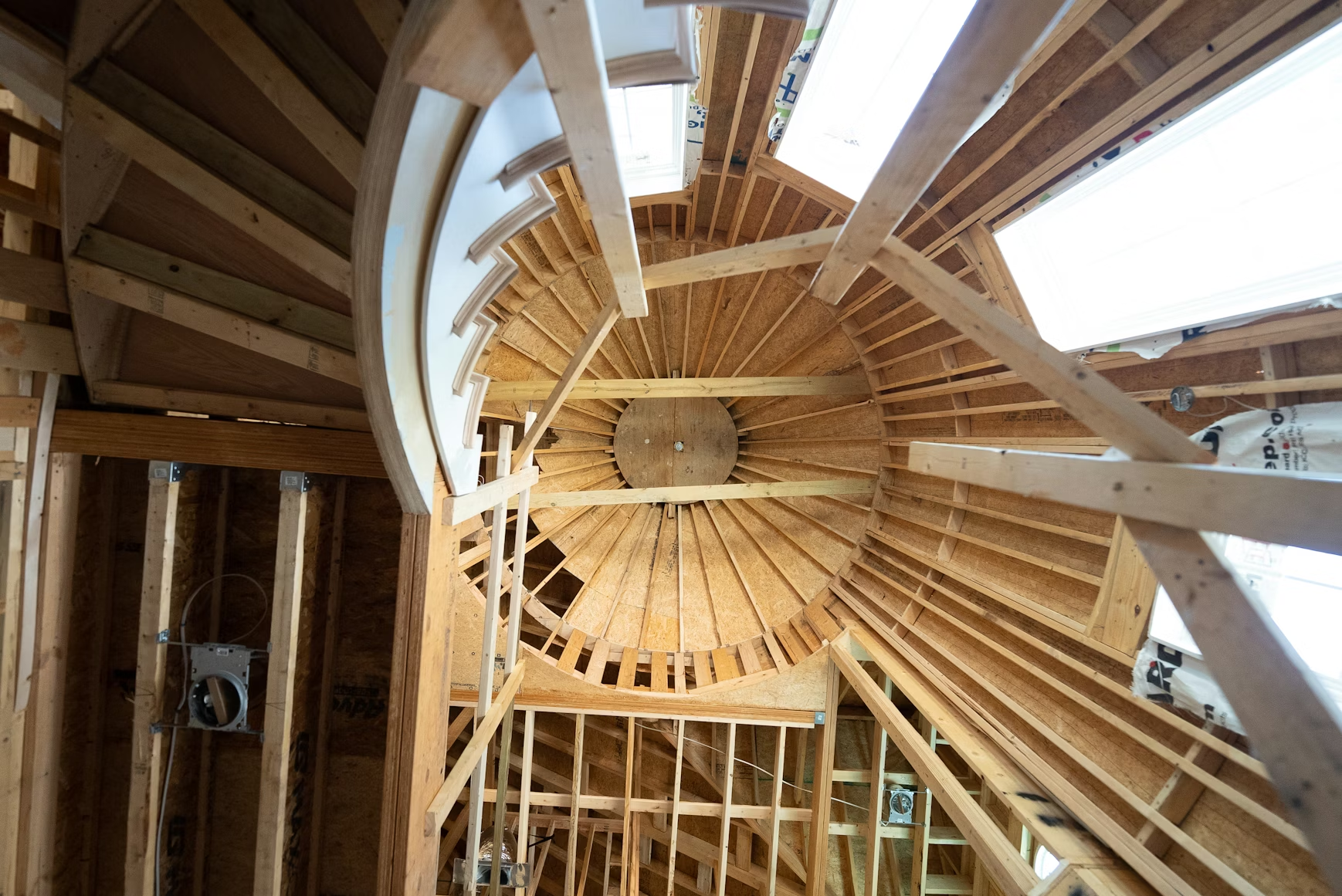
From ground-up construction to project timelines, home builders face complex risks. We design coverage that protects your builds, subcontractors, and long-term exposure.
Managing subcontractors and jobsite operations creates layered risk exposure. We build coverage that aligns with your contracts, projects, and overall business structure.
Concrete and masonry work involves structural risk and heavy jobsite exposure. We help ensure your coverage is built for the demands of your trade.
Painting and drywall contractors face liability tied to property damage and jobsite work. We structure coverage that protects your business while keeping operations running smoothly.
Why Contractors Choose Us
Fast Certificates for Jobs & Contracts
Electrical work is fast-paced and contract-driven, which means your insurance needs to be structured correctly from the start. We help electrical contractors in Missouri secure coverage that fits service work, tenant finish, and new construction while making sure your paperwork and certificates are done right the first time.
We build electrician insurance programs that may include
● Coverages we commonly build
| ● General Liability | ● Workers Compensation |
| ● Commercial Auto | ● Hired & Non-Owned Auto |
| ● Tools & Equipment | ● Umbrella / Excess Liability |
| ● Commercial Property | ● Equipment Breakdown |
| ● Cyber Liability |
● Fast Certificates for Electrical Contractors
We provide same-day certificates of insurance (COIs) for general contractors, project owners, and job requirements. We handle Additional Insured, Waiver of Subrogation, and Primary & Noncontributory wording so your jobs don’t get delayed.
● What impacts electrician insurance pricing
● What insurance does an electrician need?
Most electricians need general liability, workers compensation, commercial auto, and tools & equipment coverage. Some may also need umbrella or professional liability depending on the work performed.
● Does electrician insurance cover tools and equipment?
Yes. Tools and equipment are typically covered under inland marine coverage, protecting them at jobsites, in transit, or in storage.
● How much does electrician insurance cost in Missouri?
Pricing depends on your revenue, payroll, type of work, number of employees, and claims history. We compare multiple carriers to find competitive options.
● Do I need insurance to work with general contractors?
Yes. Most GCs require proof of insurance, including specific endorsements like Additional Insured and Waiver of Subrogation.

● What insurance does a plumber need?
Most plumbers need general liability, workers compensation, commercial auto, and tools & equipment coverage. Some may also need pollution liability or umbrella coverage depending on the work performed
● Does plumber insurance cover water damage claims?
Yes. General liability can cover certain water damage claims, but coverage depends on how the damage occurs and policy terms. Proper policy setup is critical for plumbing work.
● What is completed operations coverage for plumbers?
Completed operations coverage protects you if a claim arises after a job is finished, such as a leak or failure that causes damage later.
● How much does plumber insurance cost in Missouri?
Pricing depends on your work type, revenue, payroll, number of employees, and claims history. We shop multiple carriers to find competitive options.
● Do I need insurance to work with general contractors?
Yes. Most GCs require proof of insurance and specific endorsements like Additional Insured and Waiver of Subrogation.
Plumbing claims can get expensive quickly especially when water damage is involved. We help plumbing contractors in Missouri build insurance programs that protect your work during the job and after it’s completed, while keeping certificates and contract requirements simple.
We work with different types of Plumbing Contractors
| ● Residential & Service plumbers | ● New construction plumbing contractors |
| ● Commercial plumbing companies | ● Plumbing subcontractors working under general contractors |
We build plumbing contractor insurance programs that may include
● Coverages we commonly build
| ● General Liability | ● Workers Compensation |
| ● Commercial Auto | ● Hired & Non-Owned Auto |
| ● Tools & Equipment | ● Umbrella / Excess Liability |
| ● Commercial Property | ● Cyber Liability |
| ● Pollution Solutions (optional) |
● What makes us different for plumbers
We tailor coverage to your work mix, from residential service, new construction, commercial projects, or subcontracting then shop multiple contractor-focused carriers to find the right fit.
● What impacts plumber insurance pricing
HVAC contractors handle a mix of installation work, service calls, and commercial jobsite requirements. We help HVAC businesses build insurance programs that fit their operations, vehicles, tools, and certificate needs so coverage holds up when the work gets complex
Who this is for
● Coverages we commonly build
| ● General Liability | ● Workers Compensation |
| ● Commercial Auto | ● Hired & Non-Owned Auto |
| ● Tools & Equipment | ● Umbrella / Excess Liability |
| ● Commercial Property | ● Equipment Breakdown |
| ● Cyber Liability |
● What makes us different for HVAC
We build coverage around your actual work mix from residential service, commercial installs, maintenance contracts, and subcontracting while staying responsive with certificate support as crews, vehicles, and job types change.
● Fast certificates for HVAC contractors
We provide same-day certificates of insurance (COIs) for general contractors, project owners, and commercial job requirements, including common wording like Additional Insured, Waiver of Subrogation, and Primary & Noncontributory.
● What insurance does an HVAC contractor need?
Most HVAC contractors need general liability, workers compensation, commercial auto, and tools & equipment coverage. Some may also need umbrella coverage depending on the type of work they perform.
● Does HVAC insurance cover tools and equipment?
Yes. Tools and equipment are typically covered under inland marine or tools coverage, which can help protect them at jobsites, in vehicles, or in storage.
● Do HVAC contractors need certificates of insurance?
Yes. Many general contractors and commercial clients require proof of insurance and specific endorsements before work begins.
● How much does HVAC contractor insurance cost in Missouri?
Pricing depends on your revenue, payroll, vehicles, number of employees, type of work, and claims history. We compare multiple carriers to find the right fit.
● Do I need insurance to work with general contractors?
Yes. Most GCs require proof of insurance and specific endorsements like Additional Insured and Waiver of Subrogation.
● What insurance does a remodeling contractor need?
Most remodelers need general liability, workers compensation, commercial auto, and tools & equipment coverage. Builders risk and umbrella policies are also common depending on project size.
● Does insurance cover damage to a customer’s home?
General liability may cover certain types of damage, but coverage depends on how the policy is structured. It’s important to have the right endorsements in place.
● Do remodelers need builders risk insurance?
Yes, especially for larger projects or renovations involving structural changes. Builders risk helps protect materials and the project during construction. begins.
● How do subcontractors affect my insurance?
If subcontractors aren’t properly insured, their work can become your liability. We help ensure proper coverage and certificate compliance.
● Do I need insurance to work with general contractors?
Yes. Most GCs require proof of insurance and specific endorsements like Additional Insured and Waiver of Subrogation.
Remodelers work inside finished spaces where small mistakes can turn into costly claims. From property damage and dust exposure to subcontractor risk, your insurance needs to be built for real-world renovation work not just general contracting.
Who this is for
We build remodeling contractor insurance programs that may include
● Coverages we commonly build
| ● General Liability | ● Workers Compensation |
| ● Commercial Auto | ● Hired & Non-Owned Auto |
| ● Tools & Equipment | ● Umbrella / Excess Liability |
| ● Builders Risk | ● Commercial Property |
| ● Cyber Liability | ● Contractors E&O (optional) |
Why remodeling insurance is different
● Subcontractor & project support
We help remodelers manage subcontractor insurance requirements, collect certificates of insurance, and align coverage with your project types from kitchens and baths to additions and full-home renovations
Home builders manage multiple projects, timelines, and financial risks at once. From ground-up construction to spec homes and custom builds, your insurance needs to protect the project, your business, and your liability long after the job is complete.
We build general contractor insurance programs that may include
● Coverages we commonly build
| ● General Liability | ● Workers Compensation |
| ● Commercial Auto | ● Builders Risk |
| ● Umbrella / Excess Liability | ● Tools & Equipment |
| ● Commercial Property | ● Equipment Breakdown |
| ● Cyber Liability |
● What makes us different for home builders
We help structure coverage around your build process from land acquisition and construction to final sale. Whether you’re building spec homes, custom homes, or managing multiple builds at once, we align your insurance with how your projects are financed, constructed, and completed.
● Project & risk support
Guidance on builders risk coverage, project timelines, and lender requirements. We help ensure coverage stays in place through construction phases and transitions properly once the home is completed or sold.
● What insurance does a home builder need?
Most home builders need general liability, builders risk, workers compensation, and umbrella coverage depending on project size and scope.
● What is builders risk insurance?
Builders risk covers materials and structures during construction, protecting against risks like fire, theft, and weather damage.
● Does insurance cover homes after they are completed?
Completed operations coverage helps protect against claims that arise after construction is finished.
● Do lenders require insurance for new construction?
Yes. Most lenders require builders risk coverage and proof of insurance before funding a project.

● What insurance does a general contractor need?
Most GCs need general liability, workers compensation, commercial auto, umbrella coverage, and builders risk depending on project type.
● Why is subcontractor insurance important?
If subcontractors are not properly insured, their work can become your liability. Proper certificate tracking and requirements are critical.
● What are Additional Insured and Waiver of Subrogation?
These are contract requirements that extend coverage or limit recovery rights between parties. They must be set up correctly to match your contracts.
● Do GCs need builders risk insurance?
If subcontractors aren’t properly insured, their work can become your liability. We help ensure proper coverage and certificate compliance.
● Do I need insurance to work with general contractors?
Yes, especially for projects involving new construction or major renovations. It helps protect materials and work in progress.
General contractors are judged by how smoothly a project runs and insurance plays a critical role in that. Whether you self-perform work, manage subcontractors, or do a mix of both, we help GCs structure coverage that aligns with contracts, jobsite risk, and real-world operations.
Who this is for
We build general contractor insurance programs that may include
● Coverages we commonly build
| ● General Liability | ● Workers Compensation |
| ● Commercial Auto | ● Builders Risk |
| ● Umbrella / Excess Liability | ● Tools & Equipment |
| ● Commercial Property | ● Equipment Breakdown |
| ● Cyber Liability |
● Subcontractor compliance & contract support
We help general contractors manage subcontractor insurance requirements, collect and review certificates of insurance, and ensure proper Additional Insured, Waiver of Subrogation, and Primary & Noncontributory wording so coverage aligns with your contracts and protects your business.
Why insurance is critical for GCs
Concrete and masonry work comes with higher injury exposure, heavy equipment, and demanding jobsite conditions. Whether you handle flatwork, foundations, block, or decorative concrete, your insurance needs to be built for the real risks of the job not just a standard contractor policy.
Who this is for
● Coverages we commonly build
| ● General Liability | ● Workers Compensation |
| ● Commercial Auto | ● Hired & Non-Owned Auto |
| ● Tools & Equipment | ● Inland Marine |
| ● Umbrella / Excess Liability | ● Commercial Property |
| ● Equipment Breakdown | ● Cyber Liability |
● What makes us different for concrete & masonry
We structure coverage around how you actually work with heavy equipment, jobsite movement, and higher injury exposure. Whether you’re working residential, commercial, or municipal jobs, we help align coverage with your crews, equipment, and project types.
● Equipment & jobsite risk
From mixers and saws to skid steers and transport equipment, we help make sure your tools and equipment are properly covered across jobsites, in transit, and in storage so gaps don’t show up when something goes wrong.

● What insurance do concrete contractors need?
Most need general liability, workers compensation, commercial auto, and equipment coverage. Umbrella coverage is also common due to higher injury risk.
● Does insurance cover tools and heavy equipment?
Yes. Inland marine or equipment coverage helps protect tools and machinery across jobsites and during transport.
● What are Additional Insured and Waiver of Subrogation?
These are contract requirements that extend coverage or limit recovery rights between parties. They must be set up correctly to match your contracts.
● Are concrete contractors considered high risk?
Yes. Due to heavy labor, equipment use, and jobsite conditions, concrete and masonry work often carries higher insurance exposure.
● Do I need insurance for municipal jobs?
Yes. Many municipal and commercial projects require proof of insurance and specific certificate wording before work begins.
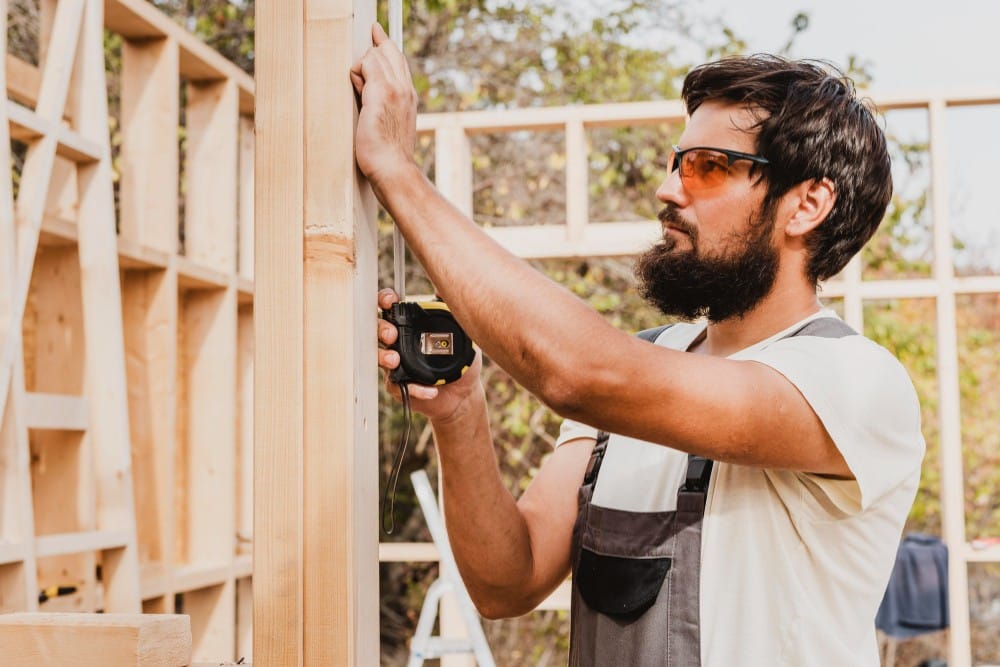
● What insurance does a carpenter need?
Most carpenters need general liability, workers compensation, commercial auto, and tools & equipment coverage.
● Does insurance cover tools and equipment?
Yes. Inland marine or tools coverage helps protect tools across jobsites, in vehicles, and in storage.
● Do carpenters need certificates of insurance?
Yes. Builders and general contractors often require proof of insurance and specific endorsements before allowing work on a jobsite.
● How much does carpentry insurance cost?
Pricing depends on payroll, type of work (rough vs finish), number of employees, claims history, and required limits.
● Do I need insurance for municipal jobs?
Yes. Many municipal and commercial projects require proof of insurance and specific certificate wording before work begins.
Framing and carpentry contractors work under tight deadlines and strict builder requirements. From jobsite injuries and property damage to constant certificate requests, your insurance needs to be built correctly and supported quickly as jobs and crews change.
Who this is for
We build framing and carpentry insurance programs that may include
● Coverages we commonly build
| ● General Liability | ● Workers Compensation |
| ● Commercial Auto | ● Hired & Non-Owned Auto |
| ● Tools & Equipment | ● Inland Marine |
| ● Umbrella / Excess Liability | ● Commercial Property |
| ● Equipment Breakdown | ● Cyber Liability |
● What makes us different
We match coverage to the work you actually perform from rough framing, finish carpentry, trim, cabinets, punch work, and subcontracting while staying responsive with certificates and policy changes as jobs and builder requirements evolve.
Builder & certificate support
We provide fast certificates of insurance for builders and general contractors, including common requirements like Additional Insured, Waiver of Subrogation, and Primary & Noncontributory wording so you stay compliant and keep jobs moving.
Painting and drywall contractors face frequent contract requirements, property damage exposure, and jobsite injury risk especially on commercial projects and new construction schedules. From overspray and finish damage to subcontractor work, your insurance needs to be built for how you actually operate.
Who this is for
● Coverages we commonly build
| ● General Liability | ● Workers Compensation |
| ● Commercial Auto | ● Hired & Non-Owned Auto |
| ● Tools & Equipment | ● Inland Marine |
| ● Umbrella / Excess Liability | ● Commercial Property |
| ● Equipment Breakdown | ● Cyber Liability |
● What makes us different
We match coverage to your actual operations from residential repaint, new construction, light commercial, drywall installation and finishing, and subcontracting while staying responsive with certificates and policy changes so your paperwork stays job-ready.
● Certificate & GC requirement support
We provide fast certificates of insurance for general contractors and project requirements, including Additional Insured, Waiver of Subrogation, and Primary & Noncontributory wording so you stay compliant and keep projects moving.
Common risks we help you plan for
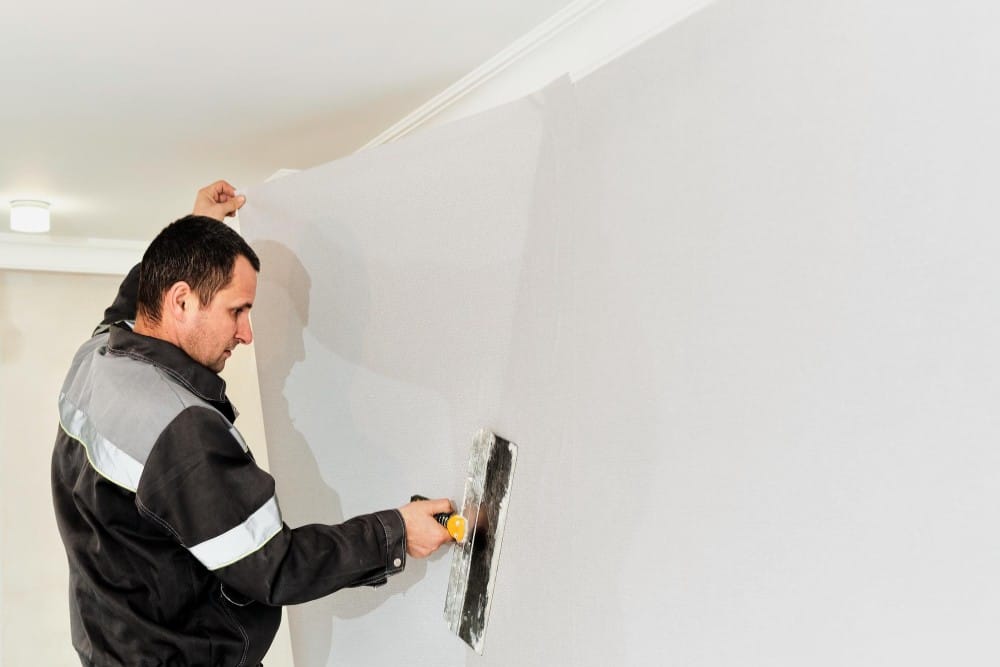
● What insurance do painters need?
Most painters need general liability, workers compensation, commercial auto, and tools & equipment coverage.
● Does insurance cover damage to a customer’s property?
General liability may cover certain types of property damage, but coverage depends on how the policy is structured.
● Do painters need certificates of insurance?
Yes. General contractors and commercial clients often require proof of insurance and specific endorsements before work begins.
● Is drywall work considered higher risk?
It can be, especially with jobsite conditions, ladders, and working in finished or occupied spaces.